 Getting older used to be synonymous with losing your teeth. Think about the ubiquitous stereotype of the elderly person with a toothless grin or a set of dentures soaking in a glass of water next to the bed. Thanks to a contemporary understanding of the causes and prevention of oral diseases, not only do we know that losing our teeth isn’t a necessary part of the aging process, we’ve even identified why people in their golden years used to lose their teeth so regularly. The answer is gum disease and it’s a serious but mostly preventable oral health problem. (more…)
3 Benefits of Dental Implants
 Tooth loss isn’t pretty, for many reasons. Not only do missing teeth make your smile look incomplete, unattractive, and unhealthy, they can actually have a serious negative impact on your oral health and your general health. In fact, current research suggests a close link between missing teeth and a range of serious health problems like cardiovascular diseases and diabetes. Luckily, if you have one or more missing teeth, you have the option of having it replaced with a dental implant, a type of dental prosthetic that closely resembles a natural tooth. You’ll definitely want to talk to your dentist about replacing that missing tooth after reading about these five benefits of dental implants. (more…)
Porcelain Veneers: Durable And Resilient?
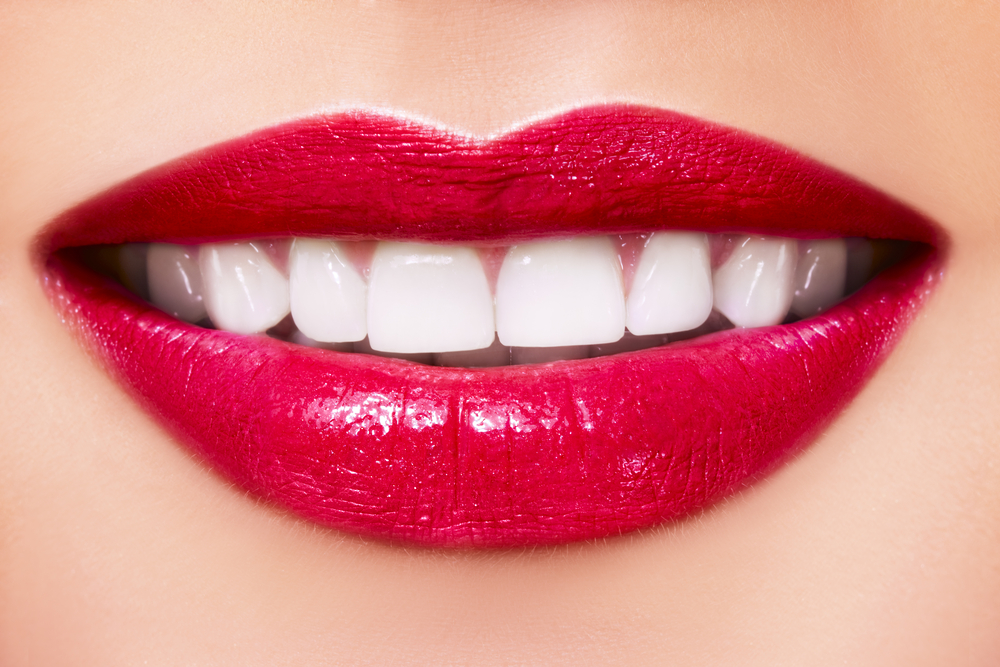 Have you taken a look in the mirror lately and felt completely disheartened by the appearance of your smile? Not only do you feel unhappy with the color of your grin but also that there are what feel like a thousand other esthetic imperfections causing you concern. If you feel this way, it may be time to learn more about porcelain veneers. Already planning for this cosmetic treatment but you still have some serious questions that are keeping you from moving full steam ahead? Find out more about their exceptional resilience for a boost of confidence.
Bruxism and TMJ Disorder: Connecting The Dots
 If you suffer from bruxism, you are not only placing your teeth at high risk of future damage. You are also placing the surrounding structures that partially compose – and support – your oral cavity and smile at risk. For instance, you may suffer from jaw joint discomfort – commonly known as TMJ disorder – as a result. This is why we consider TMJ treatment a preventive solution, rather than restorative, in most cases. We seek out the problem and improve your daily comfort, while keeping long-term harm at bay. Learn more about the connection between teeth grinding and your TMJ health to better understand why seeking treatment is in your best interest. (more…)
How Well Do You Qualify for Invisalign Treatment?
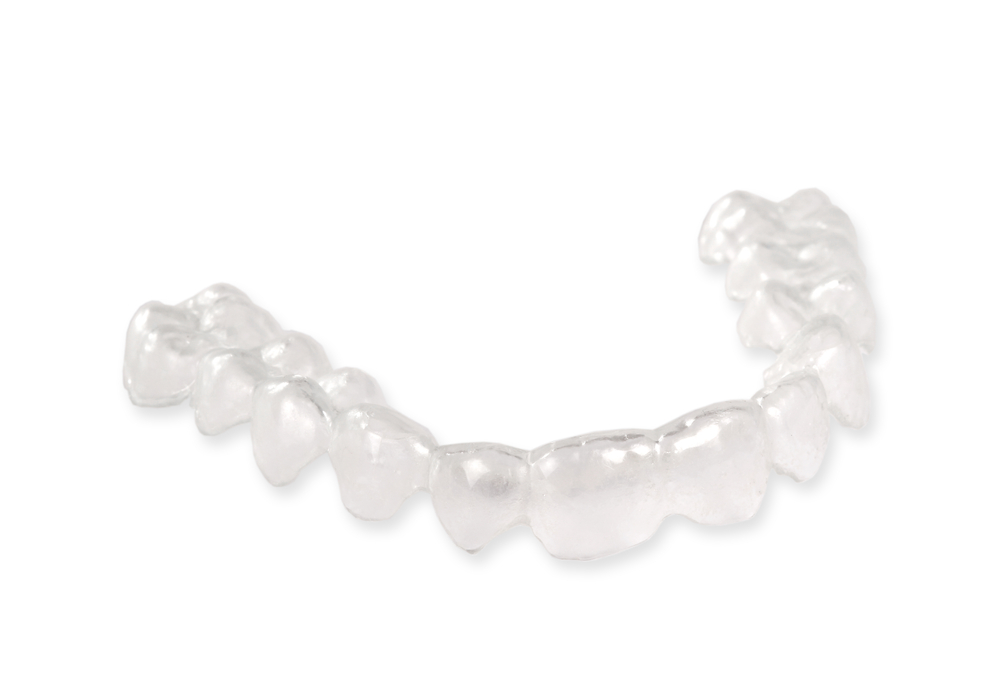 There’s often a lot that goes into qualifying for a treatment, which can cause patients to feel hesitant or nervous. When it comes to straightening your teeth with Invisalign treatment, we encourage you to ask your questions. It’s quite easy to assume that the clear aligner trays will not offer adequate treatment to improve your misalignment – after all, they just seem too good to be true. Fortunately, this orthodontic treatment offers a long list of benefits and works wonders for many patients. To learn a bit more about your candidacy and whether Invisalign is right for you, consider the following.
Do You Make A Good Candidate for Dental Implants?
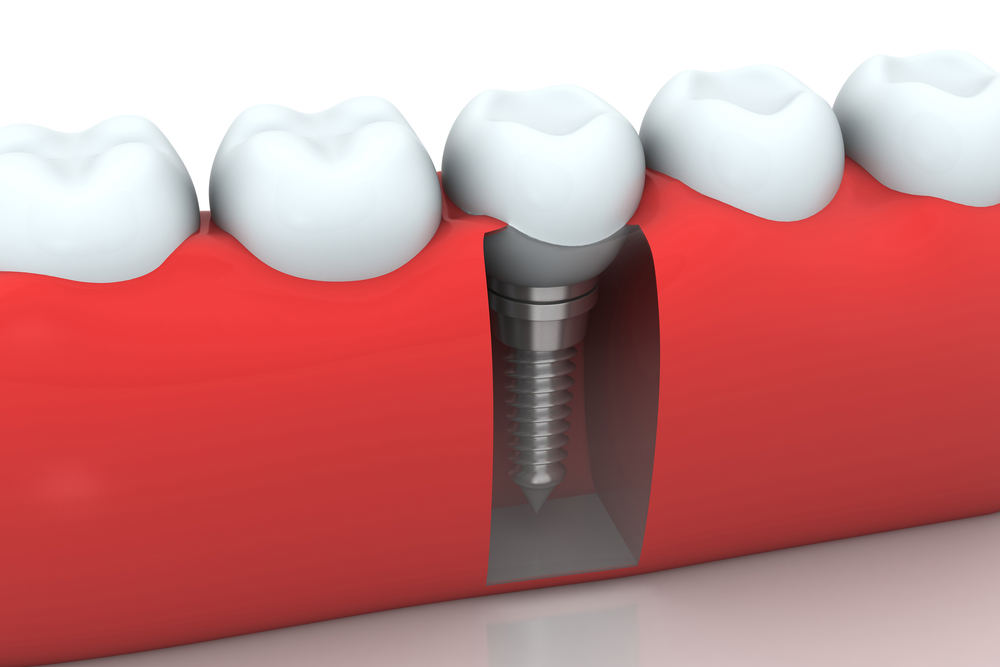 Interested in dental implants to replace your missing teeth? We find your decision to be a very smart one – implants offer a long list of wonderful benefits as well as long-term wear. You will enjoy exceptional stability that you cannot receive from any other dental prosthetic. With this in mind, you may find yourself feeling positive about the treatment but a little anxious about whether or not you qualify for implants. Rather than remaining in suspense, we invite you to look over the following qualifying factors. Keep in mind, it’s always best to visit us for a consultation since every smile is unique.
Full-Mouth Rehabilitation Treatment Options
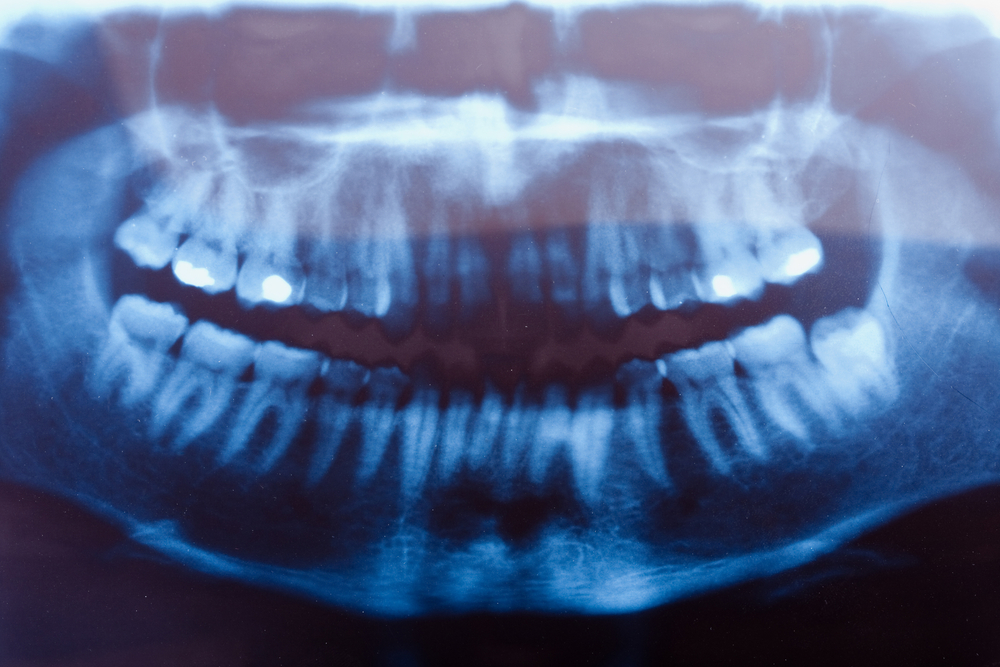 Some people only need tooth whitening or maybe some composite dental bonding to rejuvenate their smile. However, if you’ve experienced trauma to your dentition, or your teeth and gums are in bad shape for whatever reason, you may need a complete restoration. A full-mouth rehabilitation isn’t only to improve looks. It is also to restore function. It can also be to relieve discomfort from a temporomandibular joint disorder due to misalignment. There are many reasons, and many ways to rehabilitate your mouth. Read on to learn more about full-mouth rehabilitation treatment options.
The Benefits Of Composite Fillings
 When you need a tooth filled you can choose one of three types of fillings: gold, silver amalgam, or composite. Composite fillings are also referred to as “white fillings” “metal-free fillings” and “tooth-colored fillings.” Because gold fillings are the strongest and can withstand bruxing (grinding and clenching of your teeth) they have often been used to fill back molars. Silver amalgam fillings were the most popular for decades because they were nearly as strong as gold, lighter in color so not as noticeable, and less-expensive. The most common fillings today, however, are composite fillings. What are the benefits of composite fillings?
A One-Visit Crown?
 As tough as your teeth are they can still incur damage. Be it from an accident, a blow to the mouth, biting or chewing on something hard, or tooth decay, your tooth or teeth can become damaged to the point of no salvation. What do you do when that happens? It depends on how much of the remaining tooth structure is left. Dental crowns are a common restorative treatment. There was a time that it took up to three visits to place a crown, but today there is such a thing as a one-visit crown.
Are You In The Market For A Bridge?
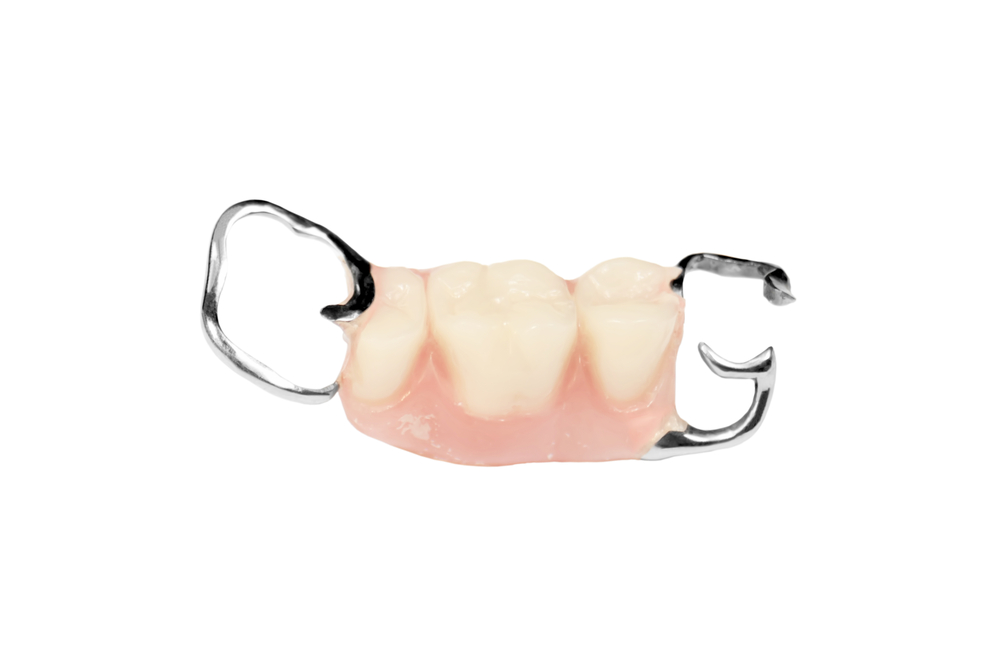 Dental bridges have many benefits. They replace lost teeth, restore your smile, allow you to chew a variety of healthy foods again, allow you to speak with no impediments, they help prevent your face from looking older and sunken in, prevent your teeth from shifting, and help maintain your proper bite position. Bridges are also more affordable than an implant, and far less-invasive that implant surgery. So, if you’re missing a few teeth, you may be in the market for a dental bridge.